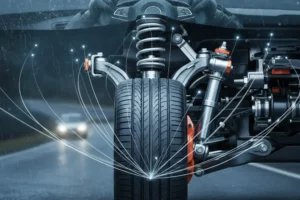
Tyre speed rating is a letter printed on the sidewall that shows how much speed and heat a tyre may handle without losing control. On UAE roads, this small detail carries serious weight.
Highway driving here often means steady high speeds, long distances and intense summer temperatures. Under such conditions, tyres face constant pressure, and thus choosing a speed rating that does not match these demands can result in reduced grip, accelerated wear, and increased safety risks.
Selecting the tyre with the right speed rating supports better control, stable handling and safer highway travel. Understanding this rating helps drivers make smarter choices before buying tires online UAE.
What Is A Tyre Speed Rating?
A tyre speed rating is a code printed on the tyre sidewall and shows you the highest speed a tyre can handle safely while carrying weight. For example, if you see a code like 225/45 R17 91V then the letter V here, shows the speed rating.
Before a tyre gets this letter, it is tested in labs. It runs at higher and higher speeds while carrying load in extreme heat. If it stays stable and does not fail, the rating is given. This rating shows how strong the tyre is and how well it manages heat at higher speeds.
Why Tyre Speed Ratings Matter In The UAE?
UAE roads demand more from tyres, and that is why the speed ratings play a bigger role.
1. High-Speed Highways And Expressways
Highway limits are high and traffic flow often moves faster than posted signs. Tyres without the right rating struggle to stay stable for long periods at these speeds.
2. Extreme Summer Temperatures
When it’s 45°C outside, the road surface is much hotter. Heat changes how rubber behaves and lower-rated tyres heat up quicker which affects grip and structure during summer driving. A higher speed rating usually means the tyre can shed heat faster.
3. Long-Distance Driving Conditions
Trips between cities mean tyres spin for hours without breaks. A suitable speed rating supports steady performance over distance. Constant friction builds up internal warmth which can lead to structural failure if the rating is too low.
4. Better Stability At Higher Speeds
The tyres with high speed rating have stiffer sidewalls and hold their shape better when speed rises. This keeps the vehicle calm instead of feeling loose or shaky.
5. Reduced Risk Of Tyre Overheating
The better the speed rating the better is the capacity of a tire to manage internal heat effectively. This also prevents the rubber from separating from the internal wires and helps the tyre keep its shape and strength at higher speeds.
6. Improved Handling And Control
Steering response stays sharper when tyres are built for speed which matters during lane changes or sudden braking.
7. Compliance With Vehicle Manufacturer Recommendations
Car makers design suspension and braking systems around specific tyre limits. Following those ratings supports balanced performance.
8. Enhanced Safety During Overtaking
Overtaking demands quick acceleration and a proper speed rating helps tyres cope with that short burst of stress.
Choosing The Right Tyre Speed Rating
Picking a tyre with the right speed rating is not guesswork. A few checks make the choice clearer and safer.
- Check the tyre sidewall markings – The sidewall carries all key details. Size, load index and speed rating are printed together in one line.
- Identify the speed rating letter – Letters like H, V, W or Y are common for UAE driving and each one connects to a tested speed range.
- Match with vehicle manufacturer specs – Vehicle manuals and door placards list approved ratings. Sticking to those figures keeps performance balanced.
- Consider your regular driving habits – Daily city use differs from frequent highway travel. Long, fast drives demand higher-rated tyres.
- Avoid lower speed rating than recommended –Dropping below the suggested rating will affect handling, braking and heat resistance.
- Check that speed rating matches the load index – Speed rating and load index work together. If they do not match, the tyre can face extra stress.
- Replace all tyres with the same speed rating – Using different speed ratings can lead to uneven grip and unstable driving, especially on highways.
- Buy from trusted tyre platforms or dealers – Reliable sellers like Yalla Tyres offer correct specs, fresh stock and proper guidance when you buy tyres UAE.
Which Tyre Is Safe For UAE Highways?
When browsing car tyres, look for these specific traits to stay protected.
- Tyres with H, V, W or Y speed ratings – These ratings suit high-speed conditions common on UAE highways and also handle speed and heat more confidently.
- Tyres aligned with manufacturer specifications – Buy tyres that match factory recommendations or check the car manual for details. This helps braking, suspension response and stability stay consistent.
- Tyres made with heat-resistant compounds – These tyres use rubber that can handle very high temperatures without becoming too soft, helping maintain grip during summer driving.
- Tyres within the safe manufacturing age – Rubber gets weaker as it gets older, even if the tread still looks fine. Newer tyres cope with pressure, heat and highway speeds better than older ones sitting in storage.
- Tyres from reliable, well-tested brands – Established brands invest in testing and quality control which matters when driving fast for long periods. Visit Yalla Tyres for the latest stock of the best brands best suited for the UAE roads.
Conclusion
Tyre speed ratings are easy to overlook yet they shape how a car behaves on UAE highways. Speed, heat and distance push tyres constantly and the right rating keeps those forces under control.
Platforms like Yalla Tyres simplify the process for drivers looking to buy tires UAE. With a wide range of options, clear tyre details, competitive car tyres offers and support from knowledgeable sellers, choosing the right fit becomes far less stressful.
The right speed rating is not about driving faster. It is about driving with confidence, control and peace of mind every day.