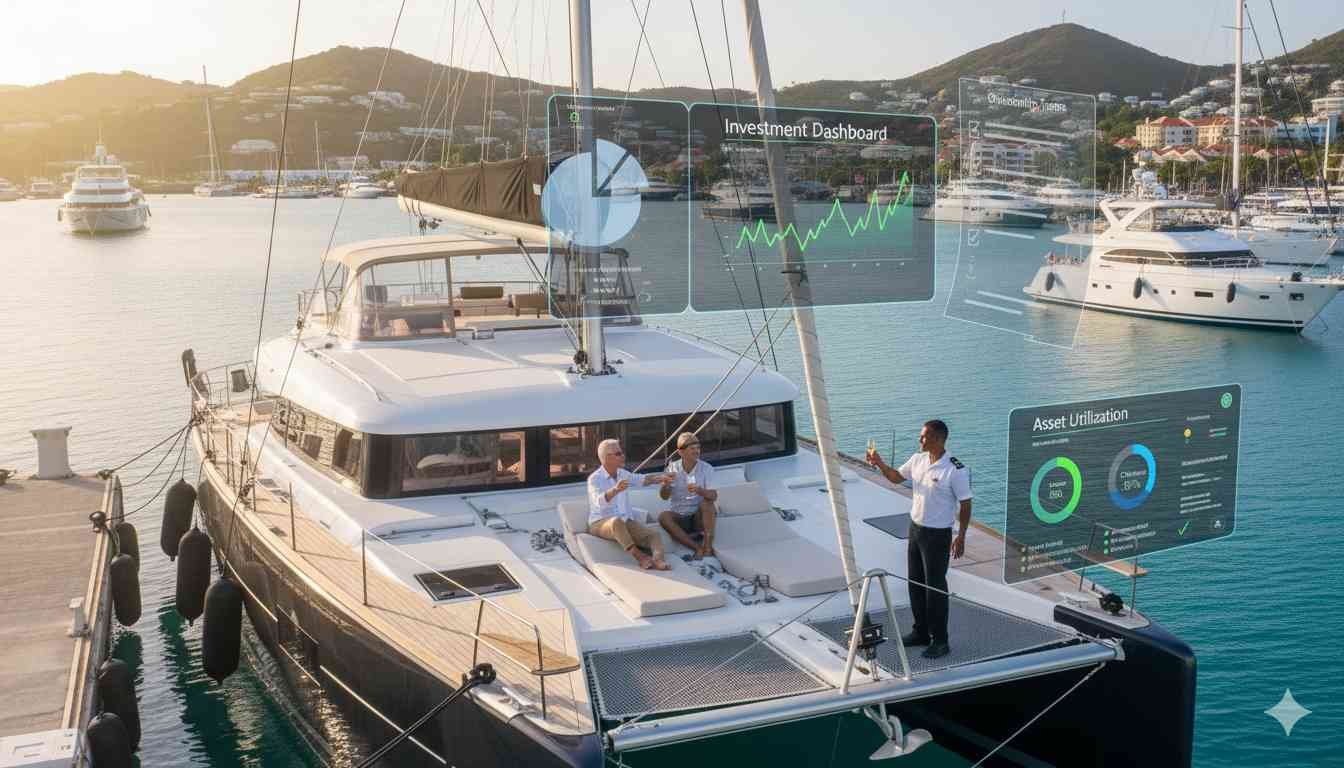
The Metaverse is a joke. Serious capital is not buying digital land in a cartoon world. It is buying real assets you can touch. Yet, the physical world has teeth. If you buy a vacation home, the roof leaks. If you buy a sports car, the engine seals dry out. Assets that sit idle are not assets. They are vampires. They suck liquidity out of your portfolio.
We need to fix your definition of ownership. The old model is dead. You buy a boat, you pay the dockage, you pay the cleaner, and you use it two weeks a year. That is financial masochism. The new model is about utilization. It is about taking a depreciating hull and turning it into a revenue-generating machine.
The mathematics of utilization
A parked boat is a tragedy. It rots. Salt air is corrosive. Sun destroys fiberglass. The only thing worse than using a boat is not using it. Mechanical systems fail when they sit stagnant. You need movement. You need flow.
This is where the Ansoff Matrix kicks in. We are looking at Market Penetration. You take an existing asset and push it harder into the existing market. The demand for a private yacht day charter st maarten experience is not shrinking. It is exploding. Tourists are tired of crowded cruise ships. They want exclusivity. By placing your vessel in this specific slipstream of demand, you stop the bleeding. You turn the vampire into a donor.
Operational buffer: the middleman advantage
You do not want to be a landlord. Landlords get calls at 3 AM about broken toilets. You want to be an investor. This requires a buffer. A layer of professional management that eats the stress so you can digest the profit.
This is the role of Private Yacht Charter N.V. They are not just cleaning the decks. They are managing the calendar. They are dealing with the clients. The Haines family left a review in December 2025 calling their trip the “best part of our trip.” That is not luck. That is operational excellence. When the operator delivers that level of dopamine to a client, your asset value remains stable.
The trust mechanic
Trust is a financial metric. If you trust the operator, you sleep better. If you don’t, you micromanage. Micromanagement kills ROI. You need a team that treats your boat like their paycheck depends on it. Because it does.
Geographic leverage in St. Martin
Location is the only variable you cannot change. You can refit an engine. You cannot move an island. Sint Maarten is the sweet spot. It is the intersection of high-net-worth traffic and perfect sailing conditions. It is not a sleepy backwater. It is a hub.
Competition here is fierce, but quality is scarce. A generic st martin boat charter often involves an old monohull and a grumpy skipper. By offering a high-end, crewed catamaran, you bypass the bottom feeders. You enter a blue ocean of premium pricing. The brand’s location at Bobby’s Marina puts your asset right in the jugular of the tourist trade.
Ownership terms checklist
- Revenue Split: You earn based on charter frequency.
- Usage Caps: Flexible owner use, not rigid blackout dates.
- Maintenance Shield: Professional crew prevents amateur damage.
- Exit Horizon: 3, 5, or 7-year off-ramps.
- Tax Status: Potential Section 179 benefits for US buyers.
The tax code as a subsidy
Stop looking at the sticker price. The sticker price is irrelevant. The effective cost is what matters. For US citizens, the tax code is written to reward business owners. A yacht in a charter fleet is a business.
It is equipment. It depreciates. It has operating expenses. These are write-offs. Section 179 is not a cheat code; it is an economic stimulus tool. If you structure this correctly, the government effectively subsidizes a chunk of your acquisition cost. You are not buying a toy. You are acquiring capital equipment that happens to float.
“The amateur buys a boat for the weekends. The professional buys a business that operates on the water. One costs money, the other creates equity.”
Defense against depreciation
Every boat depreciates. The rate of decay is the variable we control. Bareboat charters are asset suicide. You hand the keys to a stranger who learned to sail on YouTube. They grind the transmission. They stain the teak.
The “crewed only” policy is your firewall. The captain works for the operator. They protect the boat first, the client second. This keeps maintenance costs predictable. The reviews mention an “amazing experience with crew.” That crew is guarding your wallet. They ensure that when you decide to sell in five years, the boat doesn’t look like a crime scene.
Fractional ownership logic
Maybe you don’t want the full exposure. That is rational. Risk management is about sizing your bet. The split ownership model allows you to take a piece of the action without swallowing the whole anchor.
You partner with the company. You split the equity. You still get the usage rights. You still get the status. But you halve the capital risk. This makes the entry point accessible for people who are rich but not reckless. It allows you to test the waters before you dive in.
The verdict on leisure ROI
Money is meant to be used. But it shouldn’t be wasted. The Private Yacht Charter N.V. program is a hybrid. It solves the idle asset problem. It leverages the high demand for charters in the Caribbean. It uses tax incentives to lower the basis.
You get to sail. You get a check in the mail. You get a team that scrubs the hull so you don’t have to. It is the only way to own a yacht without the yacht owning you.