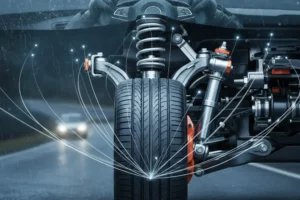
This guide explains the main types of vehicle care associated with Dani Auto Service and what drivers should look for when arranging professional automotive maintenance or repair.
What Does Dani Auto Service Offer?
Dani Auto Service is positioned around comprehensive vehicle maintenance rather than a single repair category. The service areas described for the business include engine diagnostics, brake service, tire and wheel care, transmission work, heating and air conditioning, electrical diagnostics, and scheduled maintenance.
The exact service required depends on the vehicle’s make, model, mileage, condition, and symptoms. A proper inspection should be used to identify the underlying problem before major repairs or replacement parts are recommended.
Engine Diagnostics and Repair
Engine problems can range from relatively simple maintenance issues to complex mechanical or electronic faults. Diagnostic testing can help identify warning-light issues, performance problems, starting difficulties, unusual noises, or changes in fuel economy.
A professional diagnostic process may involve scanning the vehicle’s onboard systems, inspecting components, checking fluid levels, and testing individual systems where necessary. Once the cause has been identified, the technician can determine whether the vehicle needs maintenance, a component repair, or more extensive mechanical work.
Brake Inspection and Service
Brake maintenance deserves particular attention because the braking system directly affects vehicle control and stopping performance. Depending on the vehicle and its condition, an inspection may include the brake pads, rotors, calipers, hydraulic components, brake lines, and fluid.
Drivers should not ignore warning signs such as unusual grinding or squealing, vibration while braking, a soft or unusually firm brake pedal, or changes in stopping behavior. If a braking problem appears, professional inspection is preferable to continuing to drive and hoping the symptom disappears.
Tire Services and Wheel Alignment
Tires affect traction, handling, braking, ride quality, and fuel efficiency. Dani Auto Service’s described tire-related services include tire inspections, rotation, balancing, and wheel alignment.
Proper tire maintenance is not simply about preventing a flat. NHTSA recommends paying attention to tire pressure, tread condition, damage, rotation, balancing, and alignment. Correct tire pressure should be based on the vehicle manufacturer’s recommendation rather than the maximum pressure printed on the tire sidewall.
Drivers can also benefit from checking for uneven tread wear, visible damage, unusual vibration, or a vehicle that pulls to one side. NHTSA notes that proper balancing and alignment can help maximize tire life and that regular tire maintenance contributes to safety. NHTSA’s tire safety guidance provides additional information for vehicle owners.
Transmission Diagnostics and Repair
Transmission problems can affect acceleration, shifting, fuel economy, and overall drivability. Symptoms may include delayed engagement, slipping, unusual noises, difficulty changing gears, or fluid leaks.
Dani Auto Service is described as providing transmission diagnostics and repair for both automatic and manual systems. The appropriate repair depends on the specific vehicle and the underlying fault. Transmission fluid requirements and service intervals also vary considerably between manufacturers, so drivers should follow the vehicle owner’s manual rather than relying on a universal maintenance schedule.
Heating, Air Conditioning and Climate Control
A vehicle’s heating and air conditioning systems contribute to comfort and, in some circumstances, visibility. Problems can involve refrigerant, compressors, electrical components, blower motors, controls, or airflow restrictions.
If the air conditioner stops cooling properly, the heater produces inadequate heat, the blower behaves inconsistently, or unusual odors or noises develop, an inspection can help determine whether the problem is mechanical, electrical, or related to the climate-control system.
Electrical Diagnostics and Battery Service
Modern vehicles depend on numerous electronic systems, sensors, control modules, batteries, and charging components. Electrical faults can therefore produce symptoms that appear unrelated to the original problem.
Common warning signs include slow starting, intermittent electrical functions, warning lights, dimming lights, battery-related problems, or an alternator that is not maintaining the appropriate charging level.
Proper diagnosis is important because replacing a battery does not necessarily resolve an underlying charging-system or electrical fault. A technician can test the relevant components and determine where the problem originates.
Why Preventive Vehicle Maintenance Matters
Routine maintenance gives drivers an opportunity to identify wear before it develops into a more disruptive problem. Depending on the vehicle, regular care may involve oil and filter service, fluid checks, tire inspections, brake inspections, battery testing, air-filter replacement, and other manufacturer-recommended maintenance.
There is no single maintenance schedule that fits every vehicle. Mileage, age, driving conditions, climate, towing, frequent short trips, and the manufacturer’s recommendations can all affect service requirements.
A useful maintenance plan should therefore be based on the vehicle’s owner’s manual and its actual condition rather than an arbitrary schedule.
When Should You Schedule an Auto Service?
Drivers should consider professional inspection when a vehicle develops a new warning light, unusual vibration, fluid leak, braking change, starting problem, overheating issue, transmission symptom, or noticeable change in handling.
It is also sensible to arrange routine service before symptoms appear. Preventive inspections can help identify worn or deteriorating components and give the owner an opportunity to address them before they become more serious.
How to Prepare for a Service Appointment
Providing useful information can make the diagnostic process more efficient. Before taking a vehicle in, note when the problem occurs and whether it happens during cold starts, acceleration, braking, turning, highway driving, or other specific conditions.
- Record any dashboard warning lights.
- Note unusual sounds, smells, vibrations, or changes in performance.
- Bring relevant maintenance or repair records when available.
- Know the vehicle’s current mileage.
- Tell the technician about recent repairs or replacement parts.
- Describe whether the issue happens consistently or intermittently.
Clear information does not replace professional diagnostics, but it can help technicians understand the circumstances surrounding a problem.
Choosing a Reliable Auto Service Provider
When comparing an automotive service provider, look beyond a single advertised repair. Consider whether the shop can diagnose problems accurately, explain recommended work clearly, provide appropriate documentation, and communicate what needs immediate attention versus what can be monitored.
It is also important to confirm the exact services offered for your particular vehicle before scheduling work. Parts, labor requirements, diagnostic procedures, warranties, and maintenance intervals can differ substantially between vehicles.
Frequently Asked Questions
What services does Dani Auto Service provide?
The existing description of Dani Auto Service covers engine diagnostics and repairs, brake service, tire and wheel services, transmission work, climate-control repairs, electrical diagnostics, and routine vehicle maintenance.
How often should I service my car?
The correct interval depends on the vehicle manufacturer’s maintenance schedule, mileage, age, driving conditions, and vehicle condition. Check the owner’s manual for model-specific recommendations.
Why is wheel alignment important?
Proper alignment can help maintain predictable handling and reduce uneven tire wear. A vehicle that pulls to one side or develops unusual tread wear may need an alignment inspection.
What are common signs that brakes need attention?
Grinding or unusual brake noise, vibration, changes in pedal feel, warning lights, or changes in stopping performance can indicate that the braking system should be inspected.
Should I wait for a warning light before getting my vehicle checked?
No. Routine maintenance and inspections are useful even when no warning light is present. Some wear develops without immediately triggering an electronic warning.
Final Thoughts
Dani Auto Service is presented as a broad automotive maintenance and repair option, with services spanning diagnostics, brakes, tires, transmissions, climate control, electrical systems, and routine maintenance. For vehicle owners, the most important part of professional car care is not simply repairing a fault but identifying problems accurately and maintaining critical systems before avoidable issues become more serious.
Before booking any repair, confirm the service required for your specific vehicle, ask what the inspection has identified, and follow the manufacturer’s maintenance recommendations. For additional vehicle-care information, you can also explore guidance on maintaining modern headlights.