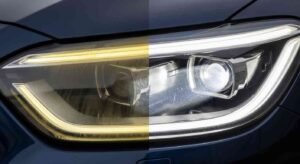
The headlights of cars lose their original brightness, and become yellow, dull, or cloudy over time. With headlight restoration involving only restoration of existing light and not changing them with a new set of lights, drivers often wonder if it is a safe option or not.
To clear this doubt, we will here explore if headlight restoration is safe, how headlight restoration works, what causes headlight damage, and when restoration is a safe and practical solution.
What Is Headlight Restoration?
Headlight restoration is the process of restoring cloudy or oxidized headlights through proper cleaning, polishing, and sealing. Headlight restoration works through the repair process, which handles outer lens damage instead of the expensive complete headlight unit replacement that modern vehicles require.
The procedure starts with cleaning of the lights to eliminate dirt and oxidation, followed by sanding and finishing with a premium headlight polish. A protective UV coating is further applied to the surface to protect it against future dullness. If carried out by an expert car maintenance servicecenter like Auto Studio, headlight restoration becomes an affordable solution that eliminates the need for costly headlight replacement.
What Causes Headlight Damage?
Headlights lose clarity due to several common reasons:
- Sunlight and UV Rays break down factory protective coating and produce yellowing effects.
- Dust and road debris create surface damage as tiny particles scratch the surface over time.
- The lens coating suffers damage as rain and weather conditions weaken the lens coating.
- Pollution and chemicals like road salts, cleaning agents, and bird droppings also damage the surface.
- The washing process and minor accidents can result in scratches, which lead to reduced visibility.
- Over time, wear and tear reduce the strength of the protective layer.
Are LED & Modern Headlights Different?
LED headlights are a type of modern headlight technology. In LED headlights lighting technology inside the unit uses LED lights, while the outer lens is usually made from polycarbonate plastic, similar to other modern headlight types.
Modern headlights may use LED, HID, or laser systems, but the restoration process mainly focuses on the external lens and not the internal components. Restorers need to handle LED assemblies with care because they contain expensive sealed components that require professional restoration.
Is Headlight Restoration Safe For Modern Cars??
Headlight restoration remains safe for modern vehicles, which have LED headlights, when technicians use appropriate techniques and materials for the restoration work. The correct techniques and tools need to be used after the damaged layer has been removed to achieve successful results.
The professional restoration service restores headlights to their original brightness and clarity by eliminating oxidation, dirt, and fixing minor scratches. The proper headlight cleaner system enables complete contaminant removal while protecting the lens from damage. After polishing with a suitable headlight polish, a UV sealant is applied to protect the surface from future damage.
After headlight restoration, headlights improve road visibility, which enhances their safety during nighttime driving and bad weather conditions. When handled by experienced technicians like those at Auto Studio, the process does not affect the internal LED system and instead helps maintain proper light performance. However, improper DIY methods can cause scratches, thinning of the lens, or faster yellowing if the protective coating is skipped.
Myths And Facts About Headlight Restoration
All the quick fixes that people share online do not guarantee safe and effective results. Below we have some of the common myths which people believe with actual facts which show their truth.
- Myth 1: Toothpaste is a good headlight cleaner
Fact: The abrasive nature of toothpaste removes the protective coatings from plastic lenses, which results in permanent damage to modern plastic lenses.
- Myth 2: Mosquito repellent can clear cloudy headlights
Fact: The repellent creates a temporary shine effect because it adds oil to the surface, but this process will cause permanent damage to the plastic.
- Myth 3: Sanding alone is enough.
Fact: Sanding removes oxidation, but must be followed by proper sealing because UV damage can return in a short time.
- Myth 4: All DIY kits provide long-lasting results.
Fact: Many kits do not include strong UV protection, which leads to haze returning within months.
- Myth 5: Solvent-based polish is safe for all headlights.
Fact: Certain solvent products cause slight melting of surfaces, which results in decreased product lifespan.
5 Common Headlight Restoration Mistakes To Avoid
Restoration gives positive results, but certain errors can results or damage the lens. The following mistakes should be avoided because they can lead to negative results.
- Using Abrasive Materials: Harsh sandpaper or strong chemicals can scratch the surface and permanently damage the lens.
- Skipping Proper Cleaning: Dirt left on the surface can cause uneven polishing and patchy results.
- Rushing the Process: Each step requires careful execution to achieve successful restoration results.
- Neglecting Protective Coating: The lens will turn yellow again without UV sealant protection.
- Ignoring Regular Maintenance: After restoration, regular washing and periodic UV protection are necessary to maintain clarity.
FAQs
1. Is headlight restoration safe for expensive LED headlight assemblies?
Yes, it is safe when performed carefully because LED headlights use similar lens material, but extra caution is needed to avoid heat damage.
2. Can I use the same restoration methods on modern UV-coated lenses?
Yes, you can use the same methods on modern UV-coated lenses to replace the damaged UV coating with new protective sealant after completing the restoration work.
3. What are the risks of using DIY kits on new cars?
DIY kits can cause over-sanding, scratches, or damage to paint if not used correctly, and skipping sealant reduces durability.
4. How long does the restoration last on modern, high-intensity lights?
The restoration process on modern high-intensity lights can last one to three years, depending on maintenance and weather exposure.
5. When is it safer to replace rather than restore?
Replacement is safer when there are deep cracks, internal damage, or moisture inside the headlight unit, as these cannot be fixed by surface restoration.